

Foster care agencies play a crucial role in ensuring the safety and well - being of children. One of the tools they've increasingly turned to is multiple drug tests. As a supplier of Multiple Drug Tests, I've seen firsthand how these agencies use the results to make informed decisions.
First off, let's talk about why foster care agencies even bother with drug tests. The main goal is to protect the kids. When a child is placed in a foster home, the agency needs to be sure that the environment is drug - free. A home where drugs are present can be extremely dangerous for a child, both physically and emotionally.
Once the decision to conduct a drug test is made, foster care agencies use various types of multiple drug tests. One popular option is the Multiple Drug Test Oral Fluid Saliva. This type of test is non - invasive, which is great because it's less stressful for the people being tested. It can detect a wide range of drugs in a relatively short period.
The results of these multiple drug tests are used in several ways. When a foster parent is applying to take in a child, the initial drug test result is a make - or - break factor. If the test comes back positive for any illegal drugs, the agency will usually not place a child with that individual. It's a straightforward way to ensure that the child is going into a safe home.
Let's say a foster parent has been caring for a child for a while. Periodic drug tests are then conducted. If the results are negative, it gives the agency confidence that the foster home environment remains suitable for the child. On the other hand, a positive result can trigger a series of actions.
The agency will typically start by having a conversation with the foster parent. They'll want to understand the situation better. Maybe there was a legitimate medical reason for the positive result, although this is rare for drugs like methamphetamine or methadone. For example, a Methamphtamine (MET) Test or a Methadone (MTD) Test can show a positive result, and the agency will need to dig deeper.
If it turns out that the foster parent has indeed been using illegal drugs, the child's safety becomes the top priority. The agency may decide to remove the child from the foster home and place them in a different, drug - free environment. This is a difficult decision, but it's necessary to protect the child's health and development.
The multiple drug test results also play a role in the case of birth parents. When a child is in foster care, the birth parents may be working towards getting their child back. Drug testing is often a part of the reunification process. If the birth parents can consistently produce negative drug test results, it shows that they are taking steps to create a safe environment for their child. This can be a positive factor in the court's decision regarding reunification.
Another aspect is the use of drug test results for data collection and analysis. Foster care agencies can look at the overall trends in drug use among foster parents and birth parents. This data can help them identify areas where more education or support is needed. For example, if a particular area has a high rate of positive drug tests for a certain drug, the agency can target that area with prevention and treatment programs.

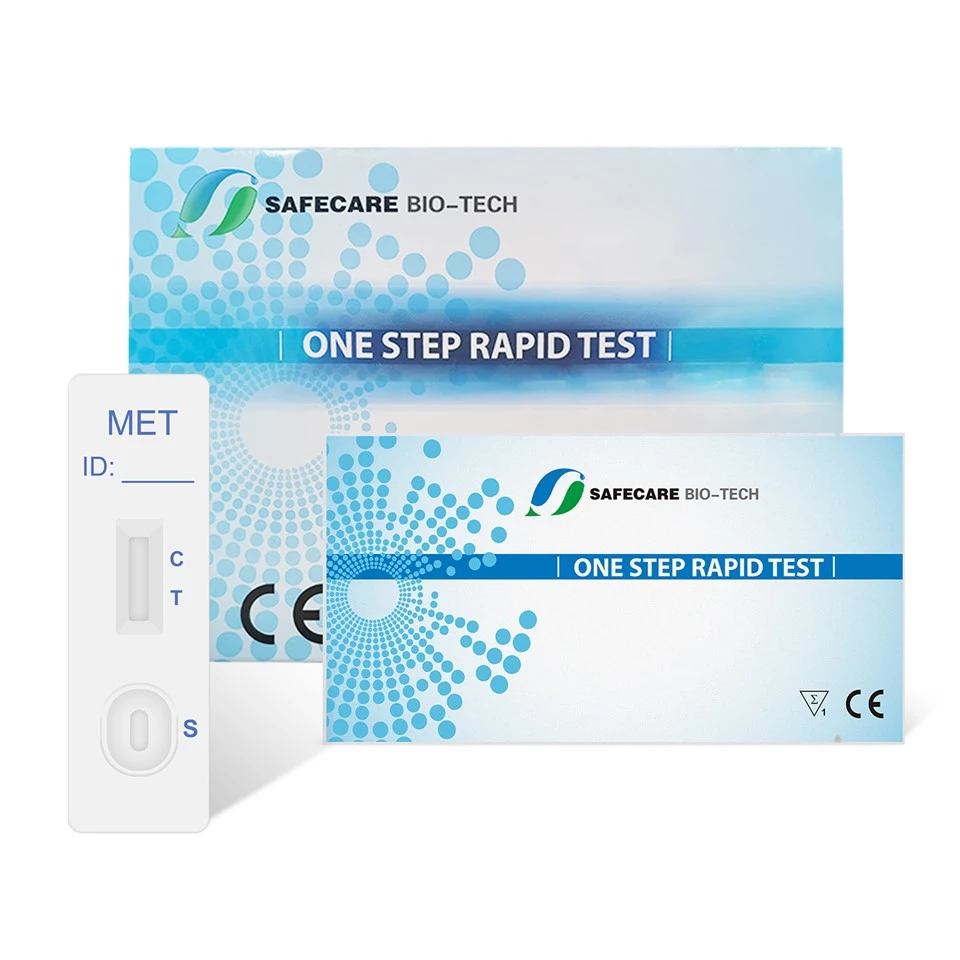
As a supplier of multiple drug tests, I understand the importance of providing accurate and reliable products. The agencies rely on these test results to make life - changing decisions for the children in their care. That's why we ensure that our tests are of the highest quality.
If you're a foster care agency or involved in a similar organization, and you're looking for a reliable multiple drug test supplier, I'd love to talk to you. We have a wide range of products that can meet your specific needs. Whether you need tests for oral fluid saliva or other types of samples, we've got you covered. Reach out to us to start a conversation about how we can work together to ensure the safety of the children in your care.
References
- Child Welfare Information Gateway. (n.d.). Foster Care Basics. Retrieved from the official website of the Child Welfare Information Gateway.
- Substance Abuse and Mental Health Services Administration. (n.d.). Drug Testing in Child Welfare. Retrieved from the official website of the Substance Abuse and Mental Health Services Administration.