

Encountering an invalid result on a One Step LH Ovulation Test can be a perplexing and frustrating experience for many women trying to conceive or simply monitor their menstrual cycles. As a supplier of the One Step LH Ovulation Test, I understand the concerns and questions that may arise when such an outcome occurs. In this blog, I'll delve into the possible reasons behind an invalid result, offer solutions, and provide guidance on what to do next.
Understanding the One Step LH Ovulation Test
Before we explore the reasons for an invalid result, it's essential to understand how the One Step LH Ovulation Test works. This test detects the presence of luteinizing hormone (LH) in urine. LH is a crucial hormone in the menstrual cycle, and a surge in LH levels typically occurs 24 - 36 hours before ovulation. By detecting this LH surge, the test helps women predict when they are most fertile.
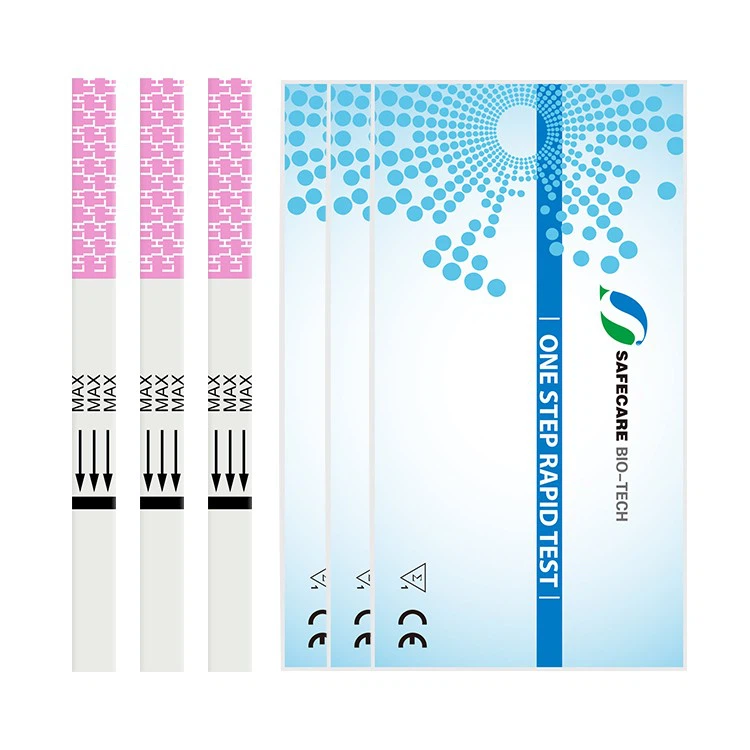
The One Step LH Ovulation Test is a simple and convenient at - home test. You simply collect a urine sample and dip the test strip into it for a specified time. After a few minutes, you can read the results. A positive result shows two lines, indicating an LH surge, while a negative result shows only one control line. An invalid result, however, is when the test does not show the control line at all, or the result is unclear.
Possible Reasons for an Invalid Result
1. Incorrect Test Procedure
One of the most common reasons for an invalid result is an incorrect test procedure. This could include not dipping the test strip into the urine sample for the right amount of time, using too much or too little urine, or reading the results after the recommended time frame. For example, if you dip the test strip for only a few seconds instead of the recommended 5 - 10 seconds, the test may not be able to detect the LH accurately, leading to an invalid result.
2. Expired or Damaged Test
Using an expired One Step LH Ovulation Test can also cause invalid results. Over time, the chemicals on the test strip may degrade, making it unable to detect the LH hormone properly. Similarly, if the test has been damaged, such as being exposed to moisture or extreme temperatures, it may not function correctly.
3. Urine Concentration
The concentration of urine can affect the test results. If your urine is too diluted, for example, if you have been drinking a lot of water before taking the test, the LH levels in the urine may be too low to be detected. On the other hand, if your urine is too concentrated, it may cause false - positive or invalid results.
4. Hormonal Imbalances
Certain hormonal imbalances can interfere with the accuracy of the One Step LH Ovulation Test. Conditions such as polycystic ovary syndrome (PCOS), thyroid disorders, or pituitary gland problems can cause abnormal LH levels, making it difficult for the test to provide a valid result.
5. Medications
Some medications can also affect the test results. For example, fertility drugs that contain LH or other hormones can cause false - positive results. Antibiotics, antidepressants, and some over - the - counter medications may also interfere with the test.
Solutions and What to Do Next
1. Repeat the Test
If you get an invalid result, the first thing you should do is repeat the test. Make sure to follow the instructions carefully this time. Use a new, unexpired test strip and collect a fresh urine sample. It's best to use the first - morning urine, as it is usually the most concentrated and contains the highest levels of LH.
2. Check the Test Expiration Date
Before using the test, always check the expiration date. If the test is expired, discard it and use a new one. Also, make sure to store the tests in a cool, dry place to prevent damage.
3. Adjust Urine Concentration
If you suspect that your urine is too diluted, try reducing your fluid intake for a few hours before taking the test. However, don't over - dehydrate yourself. If your urine is too concentrated, you can drink a moderate amount of water a couple of hours before the test.
4. Consult a Healthcare Provider
If you continue to get invalid results or if you suspect that you have a hormonal imbalance, it's advisable to consult a healthcare provider. They can perform further tests, such as blood tests, to determine the cause of the problem. They may also be able to provide more accurate fertility monitoring methods.
5. Review Medication Use
If you are taking any medications, talk to your doctor about whether they could be affecting the test results. Your doctor may recommend adjusting your medication or using an alternative method of fertility monitoring.
Importance of Accurate Ovulation Testing
Accurate ovulation testing is crucial for women who are trying to conceive. By knowing when they are ovulating, they can time intercourse to increase their chances of getting pregnant. For women who are not trying to conceive, ovulation testing can help them understand their menstrual cycles better and identify any potential hormonal problems.
As a supplier of the One Step LH Ovulation Test, we are committed to providing high - quality products that are accurate and reliable. Our tests are designed to be easy to use, and we provide clear instructions to ensure that users get the most accurate results possible.

Contact Us for More Information and Purchasing
If you have any further questions about the One Step LH Ovulation Test or if you are interested in purchasing our products in bulk, we encourage you to reach out to us. Our team of experts is available to assist you with any inquiries, whether it's about test procedures, product specifications, or pricing. We understand the importance of accurate ovulation testing in women's health, and we are dedicated to providing the best solutions for our customers. Whether you are a healthcare provider, a distributor, or an individual interested in our products, we welcome you to contact us for more information and to start a procurement discussion.
References
- "Ovulation and Fertility Testing." American Pregnancy Association.
- "Luteinizing Hormone (LH) Test." Mayo Clinic.
- "How Ovulation Tests Work." WebMD.