

Do certain medications affect the results of a syphilis test?
As a supplier of Syphilis Test, I often receive inquiries from customers regarding the potential impact of medications on syphilis test results. This is a crucial question, as accurate testing is essential for the early detection and treatment of syphilis, a sexually transmitted infection caused by the bacterium Treponema pallidum.
Understanding Syphilis Testing
Before delving into the effects of medications, it's important to understand how syphilis tests work. There are two main types of syphilis tests: nontreponemal tests and treponemal tests.
Nontreponemal tests, such as the Venereal Disease Research Laboratory (VDRL) test and the Rapid Plasma Reagin (RPR) test, detect antibodies that are produced in response to the damage caused by the syphilis bacteria to the body's tissues. These antibodies are not specific to syphilis and can also be present in other conditions, such as autoimmune diseases, pregnancy, and recent vaccinations. Therefore, nontreponemal tests are often used as screening tests, and a positive result needs to be confirmed with a treponemal test.
Treponemal tests, such as the Fluorescent Treponemal Antibody Absorption (FTA-ABS) test and the Treponema pallidum Particle Agglutination (TPPA) test, detect antibodies that are specific to the syphilis bacteria. These tests are more sensitive and specific than nontreponemal tests and are used to confirm a diagnosis of syphilis.
Medications That May Affect Syphilis Test Results
Several medications have the potential to affect the results of syphilis tests. These medications can interfere with the production or detection of antibodies, leading to false-positive or false-negative results.
Antibiotics
Antibiotics are commonly used to treat syphilis. If a person is taking antibiotics at the time of a syphilis test, it can affect the test results. For example, if a person is being treated for syphilis with antibiotics, the nontreponemal test may show a decrease in the antibody titer, indicating a response to treatment. However, if the person stops taking the antibiotics before the treatment is completed, the antibody titer may increase again, leading to a false-positive result.
On the other hand, if a person is taking antibiotics for another infection, it can also affect the syphilis test results. Some antibiotics, such as penicillin, can kill the syphilis bacteria, preventing the body from producing antibodies. This can lead to a false-negative result, especially if the test is done soon after starting the antibiotics.

Immunosuppressive Medications
Immunosuppressive medications, such as corticosteroids and chemotherapy drugs, can suppress the immune system, reducing the body's ability to produce antibodies. This can lead to a false-negative result in both nontreponemal and treponemal tests.
Vaccines
Some vaccines, such as the hepatitis B vaccine and the influenza vaccine, can cause a temporary increase in the antibody titer in nontreponemal tests. This can lead to a false-positive result, especially if the test is done soon after vaccination.
Other Medications
Other medications, such as antihistamines, antipsychotics, and anticonvulsants, have also been reported to affect the results of syphilis tests. However, the evidence is limited, and more research is needed to confirm these effects.
Minimizing the Impact of Medications on Syphilis Test Results
To minimize the impact of medications on syphilis test results, it's important to inform your healthcare provider about all the medications you are taking, including prescription medications, over-the-counter medications, and herbal supplements. Your healthcare provider can then determine the best time to perform the syphilis test and interpret the results accurately.
If you are being treated for syphilis with antibiotics, it's important to complete the full course of treatment before having a syphilis test. This will ensure that the test results are accurate and reflect the effectiveness of the treatment.
If you are taking immunosuppressive medications or have recently received a vaccine, your healthcare provider may recommend waiting for a certain period of time before having a syphilis test. This will allow your immune system to recover and the antibody titer to return to normal.
Conclusion
In conclusion, certain medications can affect the results of a syphilis test. Antibiotics, immunosuppressive medications, vaccines, and other medications have the potential to interfere with the production or detection of antibodies, leading to false-positive or false-negative results. To minimize the impact of medications on syphilis test results, it's important to inform your healthcare provider about all the medications you are taking and follow their recommendations.
As a supplier of Syphilis Test, we are committed to providing high-quality, accurate syphilis tests. Our tests are designed to detect syphilis antibodies with high sensitivity and specificity, ensuring reliable results. If you are interested in purchasing our syphilis tests or have any questions about syphilis testing, please feel free to contact us for more information and to discuss potential procurement opportunities.
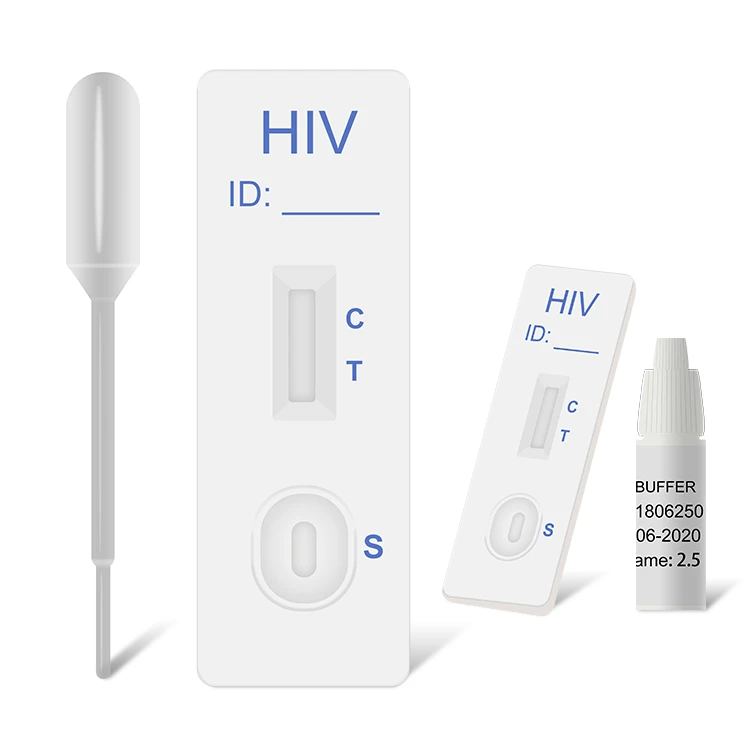
In addition to our syphilis tests, we also offer other sexually transmitted disease tests, such as Gonorrhoea Test and HIV O/1/2 Tri-line Test. These tests are essential for the early detection and treatment of sexually transmitted infections, helping to prevent the spread of these diseases and protect public health.
References
- Centers for Disease Control and Prevention. (2021). Sexually Transmitted Diseases Treatment Guidelines, 2021. MMWR Recomm Rep, 70(4), 1-187.
- Workowski, K. A., Bachmann, L. H., Chan, P. A., et al. (2021). Sexually Transmitted Diseases Treatment Guidelines, 2021. MMWR Recomm Rep, 70(4), 1-187.
- Hook, E. W., III, Marra, C. M., & Klausner, J. D. (2018). Syphilis. The Lancet, 392(10150), 954-964.