

In the ongoing battle against the COVID - 19 pandemic, diagnostic tools play a crucial role in detecting the virus and managing its spread. Among these tools, the COVID IgM test device has emerged as a significant option. As a supplier of COVID IgM Test Devices, I've witnessed firsthand the importance and the questions surrounding the reliability of these devices.
Understanding the Basics of COVID IgM Testing
Before delving into the reliability of COVID IgM test devices, it's essential to understand what IgM antibodies are and how they relate to a COVID - 19 infection. IgM antibodies are the first type of antibodies produced by the immune system in response to an infection. They typically appear in the bloodstream within a few days after the onset of symptoms and can be detected through a blood test.
The presence of IgM antibodies in a COVID - 19 IgM test indicates a relatively recent infection. This is different from IgG antibodies, which usually develop later in the course of an infection and can persist for a longer time, indicating past exposure.
Factors Affecting the Reliability of COVID IgM Test Devices
Sensitivity and Specificity
The reliability of a COVID IgM test device is often measured by two key parameters: sensitivity and specificity. Sensitivity refers to the ability of the test to correctly identify those who have the disease. A highly sensitive test will rarely miss a true positive case. On the other hand, specificity is the test's ability to correctly identify those who do not have the disease. A highly specific test will rarely give a false - positive result.
In the case of COVID IgM test devices, achieving high sensitivity and specificity can be challenging. The immune response to the virus can vary from person to person. Some individuals may produce IgM antibodies earlier or in larger quantities than others, which can affect the test's ability to detect the antibodies accurately.
Timing of the Test
The timing of the test is another critical factor. As IgM antibodies typically appear a few days after the onset of symptoms, testing too early in the course of the infection may result in a false - negative result. For example, if a person is tested within the first 1 - 2 days of symptom onset, the IgM antibodies may not have reached a detectable level yet.
Conversely, testing too late may also lead to inaccurate results. As the infection progresses, IgM levels may start to decline, and the immune system begins to produce more IgG antibodies. So, if a test is conducted several weeks after the onset of symptoms, the IgM test may give a false - negative result even though the person had been infected.

Quality of the Test Device
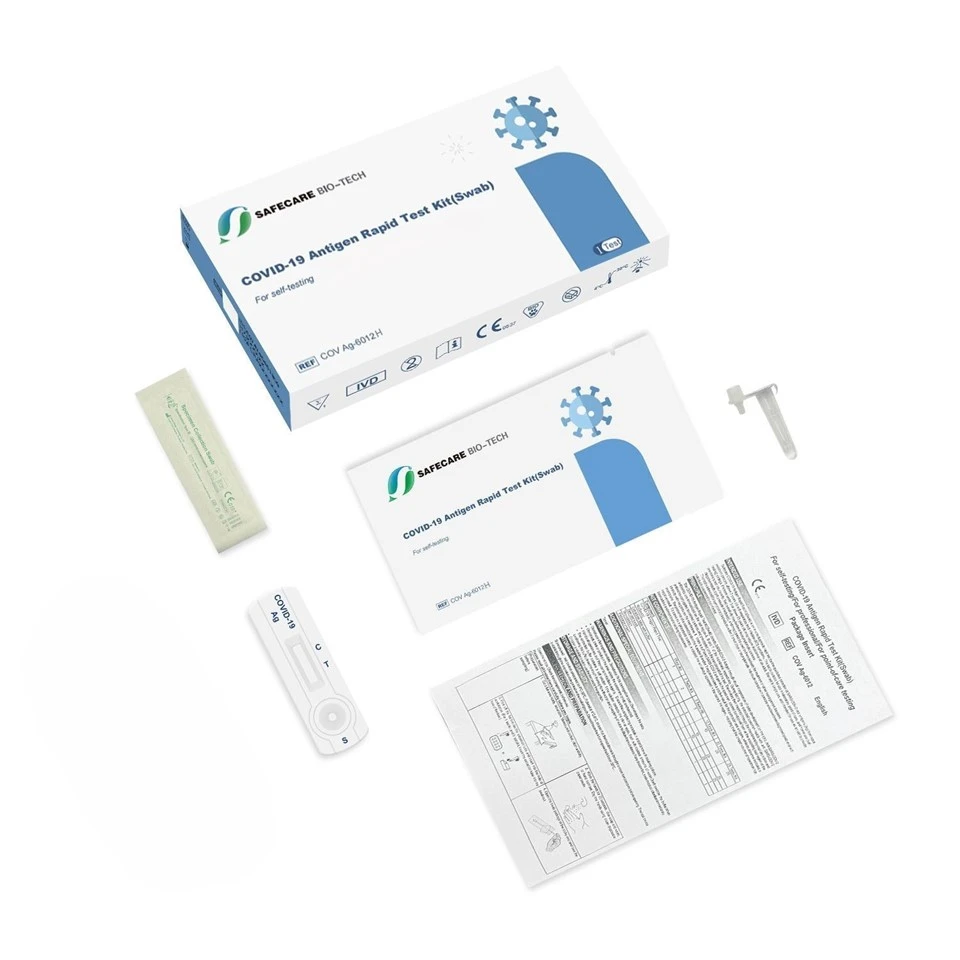
The quality of the COVID IgM test device itself is a major determinant of its reliability. Well - designed and manufactured test devices are more likely to provide accurate results. At our company, we ensure that our COVID IgM Test Device undergoes rigorous quality control procedures. This includes testing the device's performance against a large number of positive and negative samples to verify its sensitivity and specificity.
Real - World Performance of COVID IgM Test Devices
In real - world scenarios, the performance of COVID IgM test devices can be influenced by various factors beyond the test itself. For instance, the skill of the person administering the test can have an impact. If the blood sample is not collected correctly or if the test is not performed according to the instructions, it can lead to inaccurate results.
Another factor is the prevalence of the disease in the population being tested. In areas with a high prevalence of COVID - 19, the probability of a positive test result being a true positive is higher. Conversely, in areas with a low prevalence, the number of false - positive results may be relatively higher.
Complementary Testing and Confirmation
Given the potential limitations of COVID IgM test devices, it's often recommended to use them in conjunction with other diagnostic methods. For example, a positive IgM test result can be confirmed with a polymerase chain reaction (PCR) test, which is considered the gold standard for COVID - 19 diagnosis. PCR tests detect the genetic material of the virus directly and are highly accurate, especially in the early stages of the infection.
Similarly, if a person has symptoms of COVID - 19 but a negative IgM test result, further testing may be necessary. This could include repeating the IgM test after a few days or using other diagnostic tools such as COVID - 19 Antigen Rapid Test Kit (Swab) for Selftesting or COVID - 19/Flu/RSV/ADV/MP Antigen Combo Rapid Test(Swab).
Our Commitment to Quality and Reliability
As a supplier of COVID IgM Test Devices, we are committed to providing high - quality products. Our test devices are designed to meet the highest standards of sensitivity and specificity. We work closely with research institutions and regulatory bodies to ensure that our products are up - to - date with the latest scientific knowledge and regulatory requirements.
We also provide comprehensive training and support to our customers. This includes instructions on how to collect blood samples correctly, perform the test, and interpret the results. By ensuring that our customers are well - informed and trained, we aim to minimize the potential for human error and improve the overall reliability of our test devices.
Conclusion
The reliability of a COVID IgM test device is influenced by multiple factors, including sensitivity, specificity, timing of the test, and the quality of the device itself. While these devices have their limitations, they can still be a valuable tool in the fight against COVID - 19, especially when used in conjunction with other diagnostic methods.
If you are interested in purchasing our high - quality COVID IgM Test Devices or have any questions about their reliability and performance, we encourage you to reach out to us for further discussion and procurement negotiation. We are here to support you in your efforts to combat the pandemic with reliable diagnostic solutions.
References
- Centers for Disease Control and Prevention. (2023). Serology Testing for COVID - 19. Retrieved from CDC official website.
- World Health Organization. (2023). COVID - 19 Diagnostic Testing. Retrieved from WHO official website.